

Avoid Dental Problems by Regularly Visiting Our Dentists at PGA Dentistry

Most people only think about visiting the dentist when something hurts. But at that point, a small, easy fix has often become a bigger one, more costly one. Preventive dentistry flips that script, and it’s the care that keeps problems from starting in the first place, and it’s the foundation of everything we do at PGA Dentistry.
If you’ve ever left a dental appointment feeling like you didn’t quite understand what was found, what was done, or what you’re supposed to do next, you’re not alone. We hear that a lot, and at PGA Dentistry, every visit ends with a clear picture of your oral health and a realistic plan you can actually follow at home.
If you’re looking for a dentist in Palm Beach Gardens, contact our dental office today at (561) 627-8666 to schedule your new patient appointment.
What Happens at a Preventive Dental Visit
-
The Dental Exam Comes First
Before any cleaning begins, one of our dentists conducts a thorough dental examination. We’re looking at your teeth, gums, bite, and any existing restorations. This step isn’t just routine box-checking; it shapes everything that follows. If we find early-stage gum inflammation or a cavity forming between teeth, we adjust the cleaning and follow-up plan accordingly.
Catching problems at this stage makes a real difference. A cavity detected early can often be addressed with a simple filling. Left undetected, that same cavity may eventually require a crown, root canal, or extraction. Early care is almost always faster, less invasive, and less expensive.
-
Professional Teeth Cleaning by a Certified Hygienist
After the exam, one of our certified dental hygienists performs a professional teeth cleaning tailored to what the exam revealed. This isn’t the same as brushing your teeth; no matter how diligent your home routine is, plaque hardens into calculus (tartar) in areas a toothbrush simply can’t reach. Professional instruments are the only way to remove it.
What we use and why:
- Ultrasonic scalers use high-frequency vibrations to break up and flush away calculus efficiently. They’re effective on larger deposits and gentler on enamel than many people expect.
- Hand scalers give the hygienist precise control in tight spaces, along the gumline, and between teeth, where ultrasonic tips can’t always reach.
- Polishing cups and brushes smooth tooth surfaces after scaling, removing remaining plaque and surface stain, and leaving teeth easier to keep clean between visits.
-
Personalized Home-Care Guidance
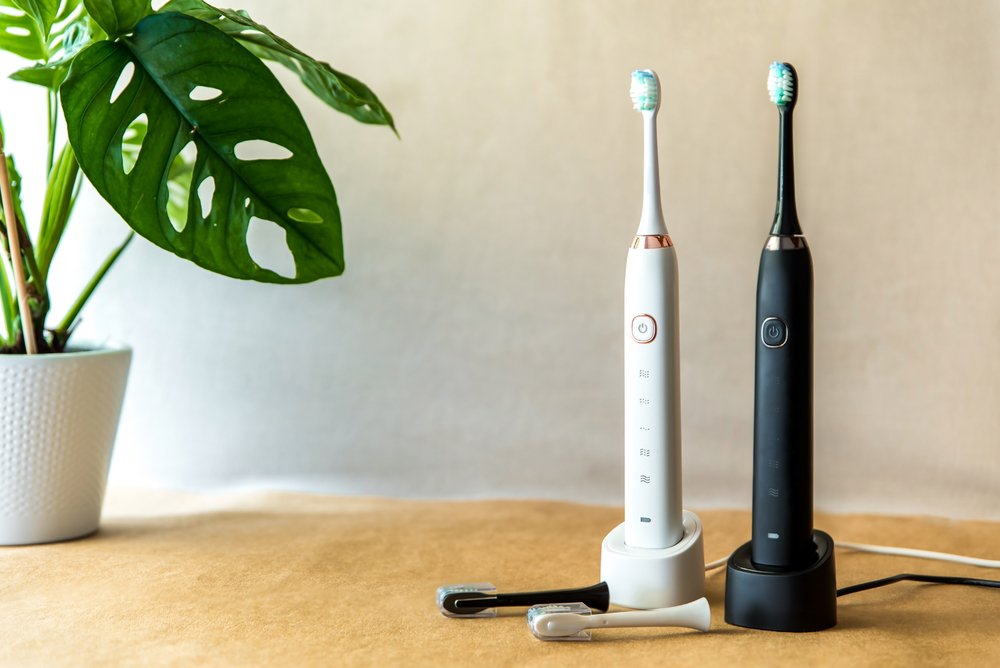
Before you leave, your hygienist will walk you through what they observed and what it means for your home routine. Not just generic advice, but specific recommendations based on your teeth, your gum health, and the products you’re already using. If you’re brushing effectively but skipping the gumline, we’ll show you how to adjust your technique. If electric brushes or water flossers would help your particular situation, we’ll tell you why.
How Regular Cleanings Protect You Over Time
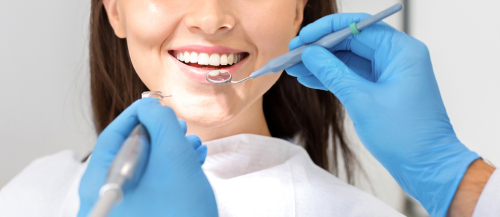
The research shows that patients who maintain routine professional cleanings every six months experience significantly lower rates of tooth loss, gum disease, and decay compared to those who skip or delay care. The American Dental Association recommends twice-yearly visits for most adults, more frequently for patients with diabetes, heart disease, a history of periodontal disease, or other risk factors that affect oral health.
Beyond your teeth and gums, oral health is connected to broader systemic health. Chronic gum inflammation has been linked to cardiovascular disease, blood sugar instability in diabetic patients, and complications in pregnancy. Keeping your mouth healthy is part of keeping your body healthy.
Oral Hygiene That Actually Works: Tips by Life Stage
The basics are the same at any age, but how you apply them changes over time.
For everyone:
- Brush for two full minutes, twice a day, with fluoride toothpaste
- Floss once daily; if traditional floss is difficult, floss picks or a water flosser work just as well
- Limit sugary and acidic foods and drinks, especially between meals
- Drink fluoridated water when you can; it strengthens enamel throughout the day
- Stay hydrated; saliva is one of your mouth’s natural defenses against bacteria
For children: Parents set the tone. Brush your child’s teeth until they have the dexterity to do it reliably themselves, usually around age 7 or 8, then supervise until early adolescence. Make visits routine and positive from an early age; children who grow up without dental fear are far more likely to maintain care as adults. Avoid putting infants to bed with a bottle containing anything other than water.
For older adults: Dry mouth (often a side effect of common medications) significantly increases the risk of cavities. If you’re experiencing this, let us know. There are rinses, gels, and other tools that can help. Gum recession is also more common with age, which exposes root surfaces that aren’t protected by enamel. Your hygienist can flag these areas and give you targeted guidance.
If You Dread the Dentist, You're Not Alone
Dental anxiety affects an estimated 36% of the population, and it’s one of the most common reasons people delay or avoid care entirely. We don’t take that lightly.
At PGA Dentistry, we’ve built our preventative visits around patient comfort. That means:
- Clear communication throughout. We explain what we’re doing before we do it, and we stop to answer questions. No one should feel like things are happening to them.
- A calm environment. Soft music, comfortable chairs, and a team that moves at your pace.
- Sedation options are available when needed. For patients with significant anxiety, nitrous oxide (laughing gas) and other sedation options are available. We’ll discuss what makes sense for you before your appointment.
The single most effective thing we can do for anxious patients is help them build a record of calm, uneventful visits. That starts with one appointment where nothing is rushed, and nothing is a surprise.
Frequently Asked Questions
-
How often should I actually come to the dentist?
Every six months is the standard recommendation for coming to the dentist, and it’s right for most people. If you have a history of gum disease, high cavity risk, or certain systemic conditions, we may suggest quarterly visits, not to upsell you, but because closer monitoring genuinely produces better outcomes for those patients.
-
How should I prepare for my cleaning appointment?
Brush and floss before you arrive. Let us know at check-in if anything has changed with your health or medications since your last visit; this affects what products and techniques we use. Arriving five minutes early keeps things on schedule and gives you a moment to settle in.
-
What foods are worst for my teeth?
Frequency matters more than quantity. Sipping a soda for over two hours is worse for your enamel than drinking it in ten minutes, because acid exposure is prolonged. The biggest culprits: sticky sweets, citrus juices, sports drinks, and anything you snack on constantly throughout the day. Calcium-rich foods (dairy, leafy greens, almonds) help remineralize enamel.
-
What if something feels wrong before my next scheduled visit?
Don’t wait. Call us if you have persistent tooth pain, new or worsening sensitivity to temperature or pressure, gums that bleed regularly, a tooth that feels loose, or bad breath that doesn’t go away. These are signs that something needs evaluation, as catching it sooner is always better.
PGA Dentistry Welcoming New Patients
Whether you’re establishing care for the first time, returning after a gap, or managing specific concerns like anxiety or a complex dental history, we’ll meet you where you are. Ready to get started? Schedule your preventative visit with our Palm Beach Gardens dentists today by calling (561) 627-8666.

Complimentary Consultation
or 2nd Opinion
- Exam
- Full mouth X-rays
- Private Consultation with Doctor ($450value)
 7100 Fairway Dr Ste 59,
Palm Beach Gardens, FL 33418 (561) 627-8666
- Monday: 8am - 5pm
- Tuesday: 8am - 5pm
- Wednesday: 8am - 5pm
- Thursday: 8am - 5pm
- Friday: 8am - 1pm
- Saturday & Sunday: Closed
